
Historic Diyarbakır and Mardin: The Heart of Eastern Turkey
Diyarbakır and Mardin stand as magnificent testaments to the rich tapestry of civilizations that have shaped Anatolia over millennia. These historic cities in eastern Turkey are not merely destinations; they are living museums, offering a profound glimpse into a past where empires rose and fell, leaving behind a legacy of architectural wonders and cultural traditions. Positioned strategically, they have served as vital crossroads, fostering a unique blend of Mesopotamian, Roman, Byzantine, Arab, and Ottoman influences that continue to resonate in their contemporary identity.
For those embarking on eastern Turkey travel, a journey through these regions promises an unparalleled exploration of ancient sites, vibrant bazaars, and exquisite local cuisine. This comprehensive guide aims to uncover the hidden gems and well-trodden paths of Diyarbakır and Mardin, providing insights into their historical significance, cultural nuances, and practical travel tips. This guide delves deep into the heart of a region rich with stories and unparalleled beauty. For a broader exploration of the country's diverse offerings, consider our curated Turkey tours.
Why Diyarbakır and Mardin Are the Heart of Eastern Turkey
Diyarbakır and Mardin embody the true essence of eastern Turkey, offering an unmatched blend of history, architecture, and living tradition shaped by countless civilizations. For travelers exploring eastern Turkey tourism, these cities provide an authentic, immersive experience where ancient heritage and vibrant culture coexist in perfect harmony.
Rich Cultural Heritage
The essence of Diyarbakır and Mardin lies in their remarkably rich cultural heritage, a vibrant tapestry woven from the threads of countless civilizations and peoples. These cities have long been a crossroads where diverse ethnic and cultural groups, including Kurds, Arabs, Assyrians, Armenians, and Jews, have coexisted for centuries. This enduring multiculturalism has fostered a unique societal blend, manifesting in its diverse architectural styles, culinary traditions, ancient folk music, intricate crafts, and a deeply communal social life.
Visitors taking cultural tours in Diyarbakır and Mardin can immerse themselves in this living history, experiencing firsthand the hospitality, diverse languages, and historical narratives that define these ancient lands. Each group has contributed to the region's distinctive identity, creating an environment where past and present converge in a fascinating display of human legacy.
Ancient Civilizations and Religions
Diyarbakır and Mardin, truly historic cities in eastern Turkey, reveal profound layers of human civilization. Their ancient roots extend to the Hurrians, one of the region's earliest known cultures. Significant periods under Roman rule followed, evidenced by formidable city walls and strategic fortifications. Later, dynasties such as the Artuqids profoundly shaped the urban landscape with distinctive Islamic architecture and artistic endeavors. These cities have also been enduring melting pots of faith. While Islam is predominantly practiced today, they hold immense significance for Syriac Christianity, with ancient monasteries like Deyrulzafaran and Mor Gabriel serving as active centers of worship for centuries. Historically, Jewish and other religious communities also thrived here, contributing to a rich and complex religious mosaic that defines their unique and enduring legacy.
Unique Blend of Architecture and Traditions
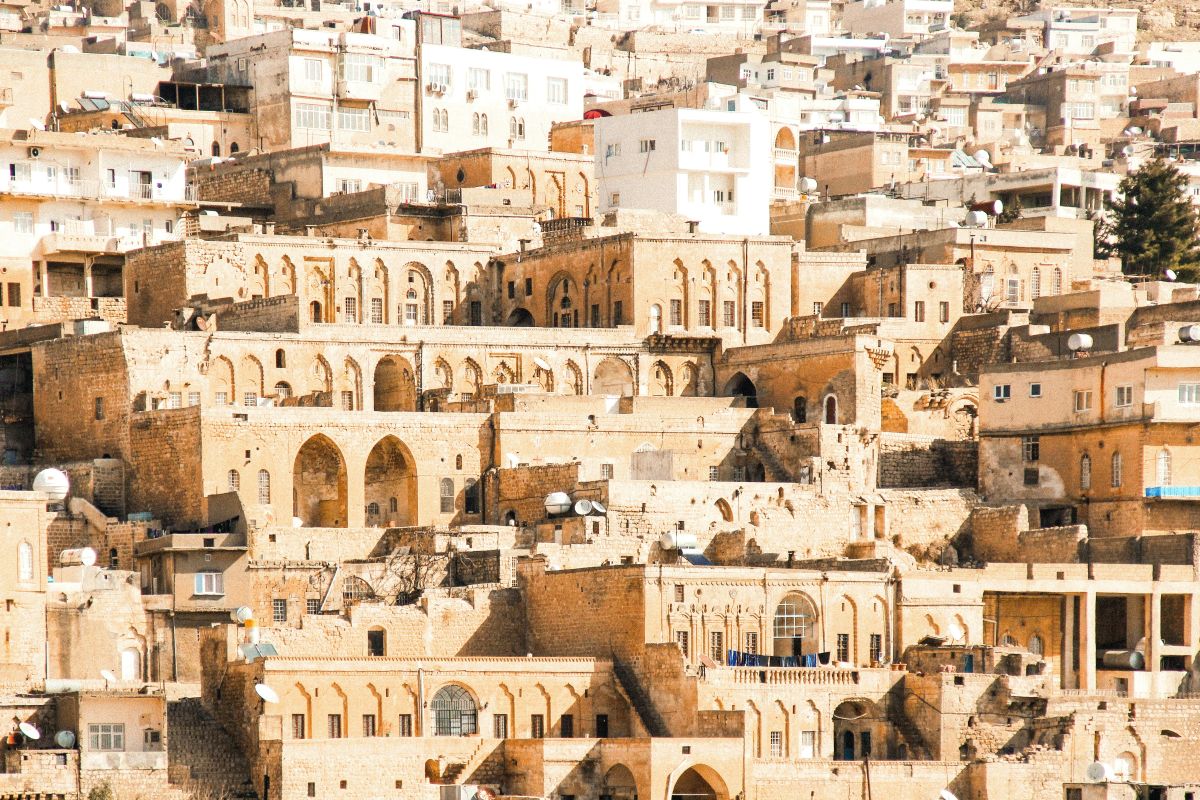
The cities of Diyarbakır and Mardin offer a fascinating interplay of architectural styles and deeply rooted traditions. Diyarbakır is instantly recognizable by its formidable black basalt city walls, a testament to its long history of defense and resilience. In stark contrast, Mardin captivates with its sun-drenched, honey-colored limestone houses, which cascade down a hillside, forming a labyrinth of intricate alleys and historical buildings. This blend of indigenous materials and architectural methods is not merely aesthetic; it profoundly influences the local way of life. For any comprehensive travel guide for Diyarbakır and Mardin, understanding these distinctive features is key, as they embody centuries-old building techniques and communal customs that continue to shape the daily lives and cultural identity of their residents, from traditional craftwork to social gatherings in ancient courtyards.
Exploring Diyarbakır
Diyarbakır is a significant cultural and historical hub in eastern Turkey. This ancient city invites visitors on a captivating journey through millennia of human civilization, showcasing a diverse array of Diyarbakır attractions. Visitors can immerse themselves in its profound heritage, exploring the monumental black basalt city walls, the serene banks of the Tigris River, and centuries-old mosques alongside significant Christian sites. The vibrant Sur District, the city's heart, offers a labyrinth of historical alleys and structures, promising an authentic and unforgettable experience to be explored in further detail.
Diyarbakır City Walls - A UNESCO World Heritage Site
The imposing black basalt Diyarbakır City Walls are among the most iconic Diyarbakır attractions and stand as one of the world’s best-preserved ancient fortifications. Encircling the historic Sur District, these massive walls and the adjacent Hevsel Gardens are recognized as a UNESCO World Heritage Site for their exceptional cultural and historical value. Visitors can walk along the ramparts for breathtaking views of the Tigris River and the old city, immersing themselves in centuries of history carved into every stone.
Historic Mosques, Churches, and Caravanserais
Diyarbakır’s diverse heritage shines through its religious and commercial landmarks. The Great Mosque of Diyarbakır (Ulu Cami), one of Anatolia’s oldest mosques, and the restored St. Giragos Armenian Church reflect the city’s deep spiritual roots and multicultural past. Historic caravanserais like Hasan Paşa Hanı, once a haven for Silk Road travelers, now bustle with cafés and shops, preserving the city’s vibrant legacy as a center of faith and trade.
Local Cuisine and Vibrant Bazaars
No eastern Turkey travel experience is complete without savoring Diyarbakır’s authentic cuisine and lively markets. Local specialties such as kaburga dolmasi (stuffed ribs) and the city’s famously sweet watermelon highlight its rich culinary traditions. The bustling bazaars, filled with spices, textiles, and handcrafted copperware, capture the city’s enduring energy and provide a true taste of Diyarbakır’s living culture.
Discovering Mardin
Mardin, a city gracefully perched on a hill, offers breathtaking panoramic views of the Mesopotamian plains. Its distinctive golden-hued limestone buildings cascade down the slopes, forming a unique architectural identity. Any mardin sightseeing experience here is truly unforgettable. Wandering through its ancient streets feels like exploring a living, open-air museum, filled with centuries of history. For an immersive experience into its rich past and vibrant present, consider embarking on a comprehensive Mardin city tour to uncover all its historical treasures.
Stone Houses and Old Town Charm
Mardin’s Old Town captivates visitors with its honey-colored stone houses, ornate carvings, and narrow winding streets. The covered passageways, known as abbara, provide cool shade and add a sense of mystery to this timeless city. Every Mardin sightseeing walk unveils architectural harmony and craftsmanship that reflect centuries of cultural fusion and artistic excellence.
Monasteries and Religious Heritage
As a historic center of Syriac Orthodox Christianity, Mardin is home to ancient monasteries that embody deep spiritual heritage. The 5th-century Deyrulzafaran Monastery and the 4th-century Mor Gabriel Monastery near Midyat stand as architectural and religious landmarks. These sacred sites are essential stops on any Mardin sightseeing, offering serene insight into the city’s enduring faith and history.
Panoramic Views Over the Mesopotamian Plains
From its high terraces, Mardin overlooks the vast Mesopotamian plains, offering views that stretch across the cradle of civilization. For travelers engaged in eastern Turkey travel, this panorama connects the modern journey with humanity’s earliest stories, evoking the dawn of agriculture, settlement, and written history in this ancient land.
Diyarbakır and Mardin Travel Tips for Visitors
To ensure a smooth and memorable journey through these ancient cities, this section serves as a practical travel guide for Diyarbakır and Mardin. It provides essential advice tailored for visitors, especially those from the US, to help in planning their adventure into the heart of eastern Turkey with confidence and ease.
Best Time to Visit
The best time to visit for the most enjoyable eastern turkey travel experience is during the spring (April to June) or autumn (September to October). These periods offer pleasant temperatures, making them ideal for exploring historic sites and engaging in outdoor activities. This avoids the intense and often uncomfortable heat that characterizes the region's summers. In spring, the landscapes are vibrant and green, while autumn provides mild weather perfect for sightseeing.
Getting There and Around
For eastern turkey tourism for us travelers, reaching Diyarbakır and Mardin is most commonly achieved via domestic flights to their respective airports, offering convenient access. Once there, travel between these historical cities and to other significant nearby sites can be managed using intercity buses, local minibuses, or private car hires. To streamline the exploration of the region's vast historical landscape, such as embarking on a daily Gobeklitepe tour, many visitors opt for organized tours, which efficiently handle all transportation and logistical details. This allows for a more relaxed and comprehensive experience of Eastern Turkey's rich heritage.
Where to Stay
This travel guide for Diyarbakır and Mardin highlights diverse accommodation options to suit every preference. Visitors can choose from contemporary hotels offering modern amenities and comforts, particularly in Diyarbakır. In Mardin, a truly unique experience awaits in charming boutique hotels, often beautifully restored historic stone buildings that provide an authentic atmosphere and boast breathtaking views of the Mesopotamian plains.
Experiencing Local Culture
To truly grasp the essence of this captivating region, engaging with its living culture is essential. A trip to these historic cities is incomplete without immersing oneself in the vibrant traditions and daily life that define these ancient lands. For visitors seeking a deeper connection, undertaking cultural tours in Diyarbakır and Mardin offers an unparalleled opportunity to connect with local customs, crafts, and renowned hospitality, making the journey truly transformative.
Eastern Turkish Hospitality
Eastern Turkey is renowned for its exceptional hospitality, where visitors are treated with genuine warmth and generosity. The local custom of offering tea serves as a heartfelt gesture of welcome, inviting guests to share stories and experience the deep cultural warmth. This ensures that eastern turkey tourism for us travelers becomes a truly memorable and personal experience, extending far beyond typical sightseeing.
Traditional Crafts and Handicrafts
The rich cultural tapestry of Diyarbakır and Mardin is vividly expressed through their traditional crafts. Visitors embarking on cultural tours in Diyarbakır and Mardin will find exquisite filigree silverwork, known as Telkari, particularly from the nearby town of Midyat. This intricate art form involves twisting delicate silver threads into ornate designs. The region is also renowned for its vibrant copperware, ranging from decorative plates to practical kitchen items, often handcrafted with traditional motifs. Handwoven textiles, including carpets and kilims, further showcase the distinct patterns and rich heritage of the local communities. These artisanal products offer unique souvenirs and a tangible connection to the region's enduring artistic traditions.
Festivals and Celebrations
Visitors to these historic cities in eastern Turkey can experience vibrant local festivals, offering deeper insight into the region's rich cultural life. Newroz, the ancient spring equinox celebration, holds particular significance in Diyarbakır and Mardin. It is observed with enthusiastic public gatherings, traditional music, and colorful festivities, marking the new year and renewal while uniting communities in joy and hope. Throughout the year, various local cultural events, religious holidays, and agricultural festivals also occur, providing unique opportunities to witness authentic traditions and engage with the local populace.